Leave Your Message
- Phone
- E-mail
- QQ

- Whatsapp
- WeChat

You might have noticed that the term 'Cargo Platform' has been popping up a lot lately in the logistics world. These platforms are really making it easier to move goods around smoothly. Companies like CargoTech and ShipMatrix are definitely leading the charge here.
Now, cargo platforms do a bunch of different things. They make booking shipments, tracking them, and managing everything a whole lot simpler. But, honestly, not all systems are perfect. Some folks find the user interface a bit clunky—navigation can be tricky, and pulling up data isn’t always straightforward.
Even with all their potential, there's definitely some room for improvement. For starters, these platforms need to get better at working seamlessly with existing supply chain systems. Fixing these issues could seriously boost user experience and make the entire process way more efficient. It’s exciting to see where this is headed, but a bit more polish wouldn’t hurt.

A cargo platform is a vital tool in logistics. It streamlines the process of transporting goods from various locations. Understanding what a cargo platform does can significantly enhance efficiency.
Typically, a cargo platform connects shippers and carriers. It provides a space for listing, booking, and tracking shipments. Users can see rates, delivery times, and available carriers. Each platform can vary, though. Some may lack user-friendly interfaces. Others might have limited features that hinder usability. It’s essential to choose a platform that meets specific needs.
A cargo platform serves as a critical component in supply chain management. It connects various transport methods, facilitating the efficient movement of goods. The main components include loading and unloading areas, storage facilities, and transport connections. Each part plays a vital role in ensuring smooth operations.
Loading and unloading areas allow for immediate handling of cargo. These spaces need to be spacious to accommodate large shipments. Storage facilities before transit are crucial as well. They help manage inventory effectively. Poor organization in these areas can lead to delays and confusion. Transport connections link the platform to trucks, ships, or planes. Without them, the entire system would collapse.
Maintaining a cargo platform requires continual assessment. Often, overlooked issues arise, like equipment wear and space usage inefficiencies. Teams must conduct regular inspections, but humans make errors. Miscommunication is common. Reflecting on these challenges is vital. Finding solutions to improve the efficiency of cargo platforms is ongoing work.
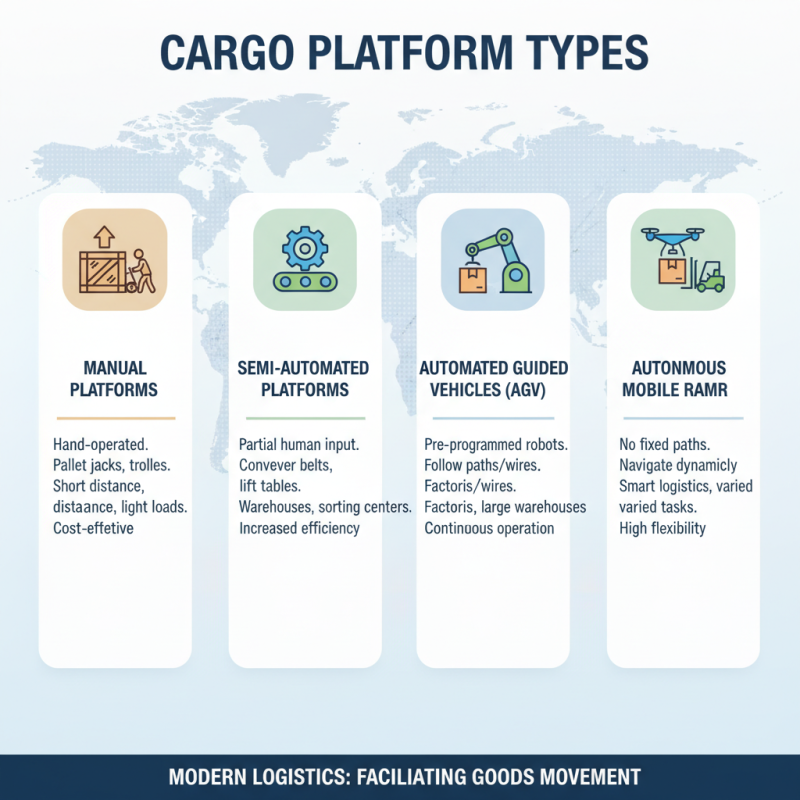
When discussing cargo platforms, it’s crucial to understand their different types. These platforms facilitate the movement of goods in modern logistics. They can range from manual to automated systems. Each type has its unique features and benefits.
Forklift loading platforms are a common choice. They allow easy access for trucks and can move heavy loads efficiently. However, they depend heavily on skilled operators. This reliance can be a point of failure if not managed well.
Automated cargo platforms are increasingly popular in warehouses. They reduce labor costs and speed up the process. Yet, they can be expensive to install and maintain. Not every business can afford such technology.
**Tips:** Consider the scale of your logistics needs. A mixed approach might work best. Evaluate costs versus benefits before making a choice. Sometimes, simpler solutions are just as effective. Always plan for maintenance to avoid unexpected issues.
Technology plays a vital role in cargo platform operations. It enhances efficiency and streamlines processes. Digital tools help in tracking shipments in real-time. Companies can monitor their cargo from departure to arrival. This visibility reduces delays and improves customer satisfaction.
Automation is another key factor. Automated systems help manage inventory and optimize routes. They cut down on human errors, which can be costly. However, reliance on technology isn’t without risks. System failures or cyberattacks can disrupt operations. It’s essential for companies to develop contingency plans.
Data analytics also offers valuable insights. Analyzing trends helps businesses make informed decisions. Yet, many platforms struggle with data management. They often have more data than they can effectively use. Finding the right balance is crucial. Embracing technology is beneficial but requires careful implementation and constant evaluation.
Cargo platforms play a critical role in modern supply chains. They streamline the movement of goods between suppliers, manufacturers, and consumers. By integrating various logistics services, these platforms create a more efficient transportation network. They enable real-time tracking, which helps businesses stay informed about shipment statuses.
Efficiency improves significantly when cargo platforms facilitate communication. Stakeholders can collaborate easily. This reduces delays caused by lack of information. However, platforms can sometimes lead to confusion. Not all parties understand the updated processes. Training and clear guidelines are essential.
Additionally, cargo platforms help optimize routes. They analyze traffic data and weather conditions. This ensures timely deliveries, but not every algorithm is perfect. Mistakes can happen. It's vital for companies to review and adjust their strategies. In a fast-paced environment, constant improvement is necessary for true efficiency.
| Cargo Platform Feature | Description | Benefits |
|---|---|---|
| Real-time Tracking | Allows users to monitor the movement of cargo throughout the supply chain. | Improves transparency and accountability in the shipping process. |
| Automated Documentation | Streamlines the preparation and management of shipping documents. | Reduces errors and speeds up the clearance process. |
| Integration with Other Systems | Connects with inventory management and ERP systems for seamless operations. | Enhances efficiency and reduces data silos. |
| Data Analytics | Provides insights into shipping trends and performance metrics. | Helps in optimizing routes and lowering costs. |
| User-Friendly Interface | Designed for ease of use, allowing quick access to essential functions. | Reduces training time and increases user adoption. |
Cargo platforms are essential in the transportation industry. They require strict adherence to regulatory and safety standards. These platforms typically handle various goods, making safety a priority. Operators must follow guidelines to mitigate risks. They also need to be aware of the specific requirements for handling different types of cargo.
Regulatory frameworks often dictate how cargo is loaded, stored, and transported. Failure to comply can lead to incidents that may endanger lives or damage property. It's crucial for teams to receive proper training. Regular assessments of safety protocols are vital. Issues can arise from negligence during handling processes. Documenting these processes helps identify potential flaws.
In the real world, operational challenges can occur, such as equipment malfunctions or misunderstandings about cargo specifications. Teams must adapt to these situations. Continuous improvement is necessary to foster a safer environment. Reflection on past mistakes can lead to better decision-making. Addressing small details can significantly improve overall safety on cargo platforms.
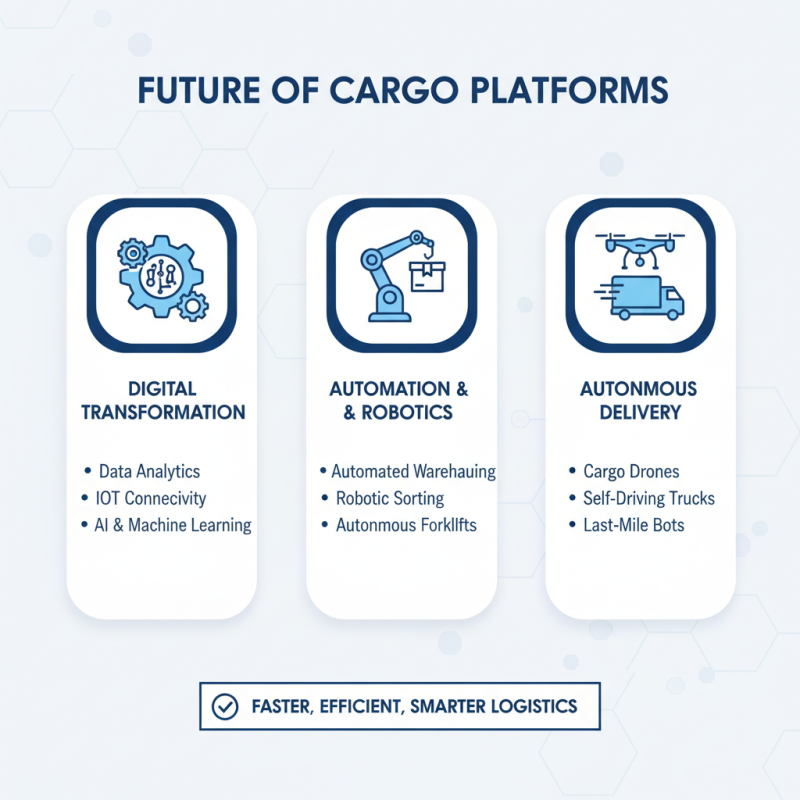
Future trends in cargo platform development will significantly reshape logistics. Digital transformation is at the forefront. Automation will become more prevalent. Drones and autonomous vehicles are not just concepts; they are emerging realities. These innovations promise faster and more efficient deliveries.
Data analytics plays a crucial role as well. By analyzing shipping patterns, companies can optimize routes. This decreases costs and enhances service. However, challenges remain. Cybersecurity threats could jeopardize these advancements. Companies must invest in robust security measures.
Sustainability is another key focus. The industry must reduce its carbon footprint. Electric vehicles and eco-friendly packaging are vital. Yet, the implementation can be slow and uneven. This requires ongoing evaluation and adaptation. A balance between innovation and responsibility is necessary for future growth in the cargo sector.
: Various services are available, including consulting, planning, and execution. Each service caters to specific needs.
Assess your goals and challenges. Reflect on what you need to achieve. Our team can help guide you.
Often, the first consultation may be free. However, details can vary based on the service type.
Results can vary widely. Some projects show quick outcomes, while others require more time and effort.
We aim for satisfaction. Feedback is essential. If you're unhappy, discuss concerns with us for potential solutions.
Transparency is important. We strive to disclose all costs upfront. However, unexpected expenses can arise.
Yes, services are often adaptable. Tailoring services to your specific situation can lead to better outcomes.
Feedback can be given through various channels. Sharing your thoughts helps improve our services.
Change is common. If circumstances shift, communicate with us. Adjustments can often be made to stay on track.
Commitment levels vary. Some services may require long-term engagement, while others are short-term or one-off.
A Cargo Platform is a crucial element in modern logistics, facilitating the seamless movement of goods throughout the supply chain. It includes key components such as transportation vehicles, storage facilities, and management systems, all designed to enhance operational efficiency. Different types of Cargo Platforms exist, each tailored to specific logistics needs, ranging from traditional shipping docks to advanced intermodal systems.
Technology plays a significant role in optimizing Cargo Platform operations, utilizing automation and data analytics to improve tracking and inventory management. As supply chains become more complex, Cargo Platforms contribute to greater efficiency by streamlining processes and reducing delays. Additionally, adherence to regulatory and safety standards is vital for maintaining the integrity of operations. Looking ahead, emerging trends in Cargo Platform development promise to further revolutionize logistics through innovations in automation and sustainability.