Leave Your Message
- Phone
- E-mail
- QQ

- Whatsapp
- WeChat

When it comes to today’s logistics scene, picking the right Cargo Platform really matters. I mean, did you know that, according to Statista, the global logistics industry is expected to hit over $12 trillion by 2027? That’s a massive jump! With all this rapid growth, it’s super important for businesses to choose platforms that actually fit their specific needs.
Honestly, a lot of companies get overwhelmed trying to figure out which Cargo Platform is best for them. There’s a ton to consider — things like features, costs, and whether the platform can grow with you. Gartner even found that about 75% of supply chain leaders feel their tech’s just not cutting it, which really underscores the importance of picking the right one.
Getting it wrong can really mess things up—like, it might throw off your whole workflow or end up costing you a ton more. In a world where speed and flexibility are everything, a bad choice isn’t just annoying, it can be pretty costly. So, it’s crucial to really understand your options before making that call. Trust me, a little research now can save you a lot of headaches down the line.

Identifying your cargo transportation requirements is crucial for choosing the right cargo platform. Start by assessing the nature of your goods. Are they perishable, bulky, or hazardous? These characteristics will determine your platform’s specifications. For instance, a report from the International Transport Forum indicates that over 30% of shipped cargo is sensitive to temperature. This statistic underscores the need for specialized transportation that ensures product integrity.
Evaluate the volume of your shipments. According to a recent industry study, 57% of businesses struggle with miscalculating their cargo capacity. Understanding your typical shipment size helps in selecting a platform fit for your needs. It’s often easy to underestimate volume and weight, leading to logistical challenges later on.
Tip: Prioritize platforms that offer flexibility in capacity. This can help mitigate the risk of being locked into a single solution. Don’t ignore hidden costs, either. Sometimes, an initially appealing option can become costly due to extra fees or unexpected charges.
Consider your delivery timelines. Data shows that 40% of delays can be attributed to inadequate planning or poor route selection. Invest time in understanding your deadlines to avoid disappointing clients. In regions like Asia, including platforms specifically designed for the China Cargo Platform can streamline your logistics and improve efficiency. Think realistically about your requirements; perfection may not be attainable, but clarity in these areas will guide you toward a better decision.
| Cargo Type | Weight Capacity | Loading Method | Distance | Cost Efficiency |
|---|---|---|---|---|
| Standard Freight | Up to 10,000 lbs | Forklift | Short to Medium | Moderate |
| Heavy Machinery | Over 10,000 lbs | Crane | Long Distance | High |
| Perishable Goods | Up to 5,000 lbs | Refrigerated Van | Medium | Moderate |
| Bulk Commodities | Varies | Bulk Loader | Long Distance | Low |
| Hazardous Materials | Up to 2,000 lbs | Specialized Vehicle | Short to Medium | High |
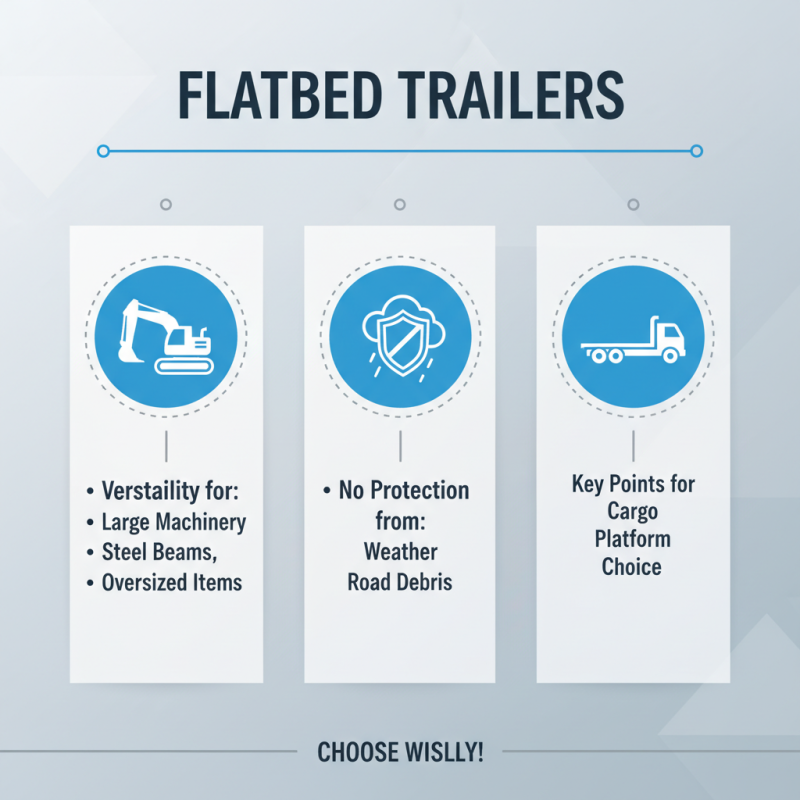
When choosing a cargo platform, understanding the types available is crucial. Different types serve various purposes. Flatbed trailers are popular for their versatility. They are ideal for transporting large machinery, steel beams, and other oversized items. However, they lack protection from weather and road debris.
Enclosed trailers offer security. They protect goods from elements and theft. Ideal for sensitive cargo, they often prioritize safety. But, their weight and size may limit capacity. Consider the trade-offs carefully. Specialized platforms, such as those for refrigerated goods or hazardous materials, meet specific needs but come with higher costs.
Evaluating your cargo type will help narrow down options. Can a flatbed suffice for your needs? Or do you really need an enclosed unit? Finding a balance between protection and function is essential. A misstep here can lead to damaged goods or increased expenses. Prioritize your cargo’s needs, and explore various platforms accordingly.
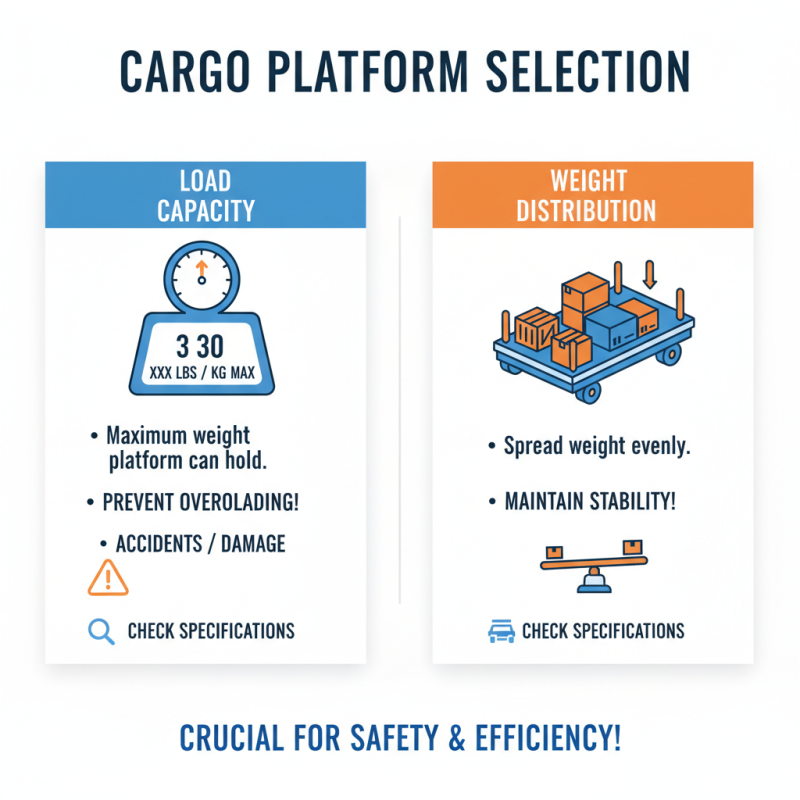
When selecting a cargo platform, evaluating load capacity and weight distribution is crucial. Load capacity refers to the maximum weight the platform can hold. You need to know this number to avoid overloading. An overloaded platform can cause accidents or damage to your cargo. Check the specifications carefully.
Weight distribution plays a vital role, too. Uneven distribution can lead to instability while transporting. A well-balanced load reduces the risk of tipping. Always distribute weight evenly across the platform. Remember that lighter items should go on top, while heavier items should be at the bottom. This ensures the center of gravity remains low.
Tips: Always measure your cargo before loading. This helps ensure you stay within the cargo platform’s limit. If unsure, consult with professionals who understand the right weight limits. Don’t hesitate to reflect on previous experiences. What worked? What didn’t? Learning from past mistakes can lead to better decisions now.
When selecting a cargo platform, durability and material quality cannot be overlooked. The right materials make all the difference in longevity and performance. According to industry reports, over 40% of cargo platform failures are linked to poor material choices. Choosing high-quality construction can significantly reduce downtime and increase efficiency.
A common material used is aluminum, known for its lightweight and rust-resistant properties. Studies indicate that aluminum platforms can last 25% longer than steel if maintained properly. However, some operators make the mistake of focusing solely on weight. They often neglect the importance of load capacity. The optimal balance between weight and strength is crucial for a reliable Wholesale Cargo Platform.
Additionally, user feedback highlights various performance issues stemming from inadequate durability. Cracks and bends often occur under heavy loads, leading to costly replacements. It's essential to evaluate the expected usage conditions. Understanding transport environments can help identify the most suitable materials. For example, platforms exposed to saltwater environments may require specialized coatings to prevent corrosion. Balancing these factors is key in making an informed choice.
Choosing the right cargo platform can be challenging, especially when budget constraints come into play. According to industry studies, about 70% of businesses prioritize cost over performance when selecting equipment. This often leads them to overlook essential features, like durability and efficiency. A cheaper product today may incur higher costs in maintenance or inefficient operations tomorrow.
It's essential to balance upfront costs with long-term savings. For example, a quality Dock Leveler Platform might have a higher initial price but reduce loading times and increase safety. Reports indicate companies using advanced platforms see a 30% boost in productivity. This is crucial as labor costs keep rising. Yet, many still lean towards lower bids without fully assessing the long-term impact.
Lastly, consider the hidden costs. Installation, training, and potential downtimes are often neglected in cost assessments. Investing wisely can lead to exponential growth. Reflecting on past experiences is key—a misjudgment in spending can lead to obstacles. Striking the right balance between budget and quality is vital for sustainable operations.
When choosing a cargo platform, compatibility with your existing equipment is crucial. An ideal platform should integrate seamlessly with forklifts, pallet jacks, and other material handling tools. A mismatch can lead to inefficiencies and damages. For instance, if your current equipment is designed for specific height differences, a non-compatible platform can create safety hazards.
Consider factors such as load capacity and platform size. A China Dock Leveler Platform may fit well with certain warehouse setups, but may not suit others. Measure your current space carefully. Ensure that the new platform meets your operational needs without causing obstacles. Pay attention to the transition from the dock to your storage area. Inconsistent heights can disrupt workflows and increase risk.
It's helpful to gather feedback from your team. They may notice issues you overlooked. Sometimes, sacrifices must be made for better efficiency. Explore various options, even if they seem less conventional. Make adjustments, and don't hesitate to reassess your choices. The right decision for your specific situation may not always be the obvious one.
When choosing a cargo platform, supplier reputation plays a crucial role. Research shows that over 70% of companies prioritize reliable suppliers. This trust directly impacts operational efficiency. A solid reputation often correlates with quality service. Review customer feedback on various platforms. Look for trends in ratings and comments to gauge reliability.
Customer support is equally essential. A report from the Logistics Management Association indicates that 60% of users rated customer service as a critical factor. Quick resolution times can prevent costly delays. Evaluate support channels, like live chat and phone assistance. Accessibility matters. Having a responsive support team can save time and resources.
Tips: Always check for user testimonials. Engaging with past customers can provide firsthand insights. Remember, not all reviews are perfect. Some will highlight shortcomings. Reflect on these and ensure they align with your needs. A careful analysis will help in choosing the best cargo platform for your business.
: Daily exercise boosts mental health. It enhances mood and reduces stress. Regular activity improves physical health, too.
Begin with small goals. Choose activities you enjoy. Gradually increase duration and intensity. Listen to your body.
Opt for light snacks, like fruit or yogurt. They provide energy without making you feel heavy. Stay hydrated, too.
Aim for at least 150 minutes of moderate exercise weekly. Break it into sessions that fit your schedule.
Missing a workout happens. Don’t beat yourself up over it. Reflect on why it happened. Make a plan to get back on track.
Yes, home workouts are effective. Use body weight exercises or online fitness resources. Create a space that motivates you.
Find a workout buddy. Track your progress. Celebrate small achievements. Remind yourself of your goals and why you started.
Absolutely! Rest allows muscles to recover. Listen to your body’s signals. If you're tired, take a break.
Yes, a balanced diet supports your fitness. Focus on whole foods, like vegetables and lean proteins. It’s a process, though.
Progress takes time. Reflect on your routine and diet. Adjust them if necessary. Celebrate any improvement, no matter how small.
Choosing the right cargo platform is essential for efficient transportation operations. Start by identifying your specific cargo transportation needs, as this will guide your selection process. It's important to understand the different types of cargo platforms available, each designed to handle various loads and materials. Evaluating factors such as load capacity and weight distribution will ensure you choose a platform that can safely accommodate your cargo.
Additionally, assessing the durability and material quality of a cargo platform is crucial, as it impacts long-term usage and maintenance. Cost and budget constraints must also be considered to find a solution that meets both your requirements and financial capabilities. Lastly, ensure compatibility with existing equipment and review the reputation of suppliers and their customer support to make an informed decision. A well-chosen cargo platform can significantly enhance operational efficiency and safety in transportation.