Leave Your Message
- Phone
- E-mail
- QQ

- Whatsapp
- WeChat

Picking out the right Dock Sealfor your warehouse isn’t just a small detail—it's actually pretty important if you want things to run smoothly. I remember John Stevens from Industrial Dock Solutions once said, “The right Dock Seal maximizes energy efficiency and protects inventory.” That really underscores why choosing the right one matters.
When you're trying to decide, there are quite a few things to think about. For starters, your local climate can play a big role—you’ll need materials that hold up in your weather. Also, how often you’re loading and unloading makes a difference. A Dock Seal that works perfectly in a hot climate might not cut it when it’s freezing outside. And honestly, it’s less about how it looks and more about how well it functions.
It can also be helpful to check out what other warehouses are doing. Sometimes you see places struggling because they picked the wrong seals, which ends up wasting energy and money. So, taking the time to choose the right Dock Seal based on your needs isn’t just smart; it can save you time and cash in the long run. It's all about making thoughtful choices that fit your specific operation.
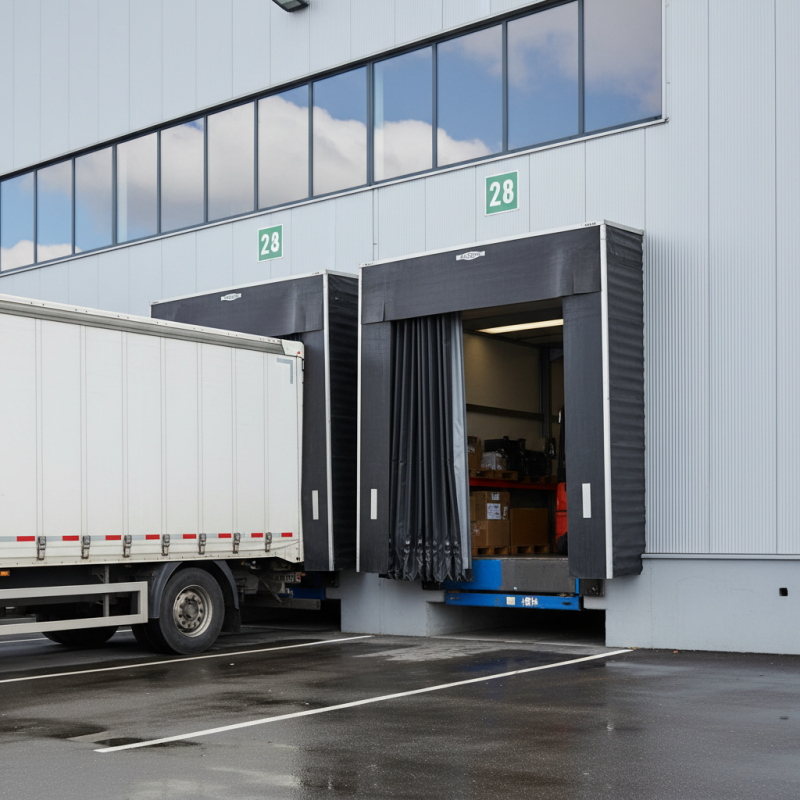
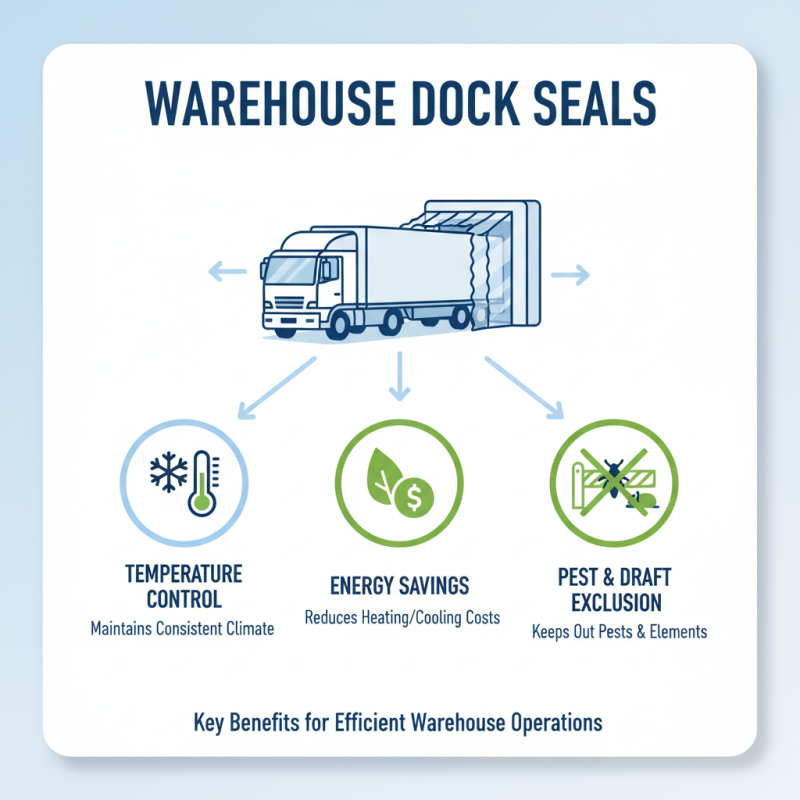
Dock seals play a crucial role in warehouse operations. They are designed to create a tight seal between the building and trucks. This mechanism helps in maintaining temperature control and reducing energy costs. A good dock seal minimizes drafts and keeps out pests.
When selecting a dock seal, consider various materials. For instance, a Sponge Dock Seal is often preferred for its durability. It can compress easily, adapting to different truck heights. However, not all seals fit every loading dock. Compatibility with your existing structure is essential.
Functionality should guide your choice. Inspect the wear and tear on existing seals regularly. A seal that has seen better days may not protect your goods effectively. Reflect on how often you receive trucks of different sizes. Adjust your seal choice accordingly to ensure optimal performance.
When selecting dock seals for warehouses, understanding the types available is crucial. Generally, there are three main types: inflatable, rigid, and soft-sided dock seals. Inflatable seals are often preferred for their adaptability. They expand to accommodate various trailer sizes. This flexibility can reduce energy costs significantly, with studies showing potential savings of up to 30% on heating and cooling.
Rigid dock seals provide excellent durability. They are made from solid materials that withstand harsh conditions. However, they might not fit all trailer heights, leading to gaps. This can compromise insulation, potentially increasing energy expenses. Soft-sided seals offer a balance. They are easier to install and adjust. Their material absorbs impact, which can reduce wear and tear.
While each type has its benefits, the choice depends on warehouse operations. An industry report noted that nearly 25% of warehouses experience inefficiencies from poor seal fit. Many warehouses overlook the importance of proper installation and maintenance. An ill-fitted dock seal far outweighs the initial savings. Thus, careful consideration of warehouse needs is essential before investing.
When selecting dock seals for your warehouse, several critical factors must be considered. The first aspect is the size of the dock door openings. Accurate measurements are crucial to ensure a proper fit. A seal that is too small will not provide the necessary insulation, while one that is too large may lead to operational inefficiencies. According to industry studies, approximately 80% of heat loss occurs through loading docks. Therefore, the right size dramatically impacts energy efficiency and operational costs.
Another important factor is the material of the dock seal. Common materials include reinforced fabric, foam, and rubber. Each material has unique properties that affect durability and resistance to weather conditions. In a survey, over 65% of warehouse managers noted that material quality significantly influenced maintenance costs. For instance, heavy-duty seals last longer but may require a higher upfront investment.
**Tips:** Consider the climate of your area when choosing materials. If your facility faces harsh weather, select more robust options. Additionally, engage your workforce. Their feedback about daily operations can reveal which dock seals function best in real settings. Ensuring the right choice can prevent costly mistakes down the line. Remember, even a small oversight in selection can lead to inefficiencies that affect your bottom line.
Choosing the right dock seal is crucial for maintaining efficiency. Sizing your dock seal correctly allows for optimal performance. According to industry reports, a well-fitted dock seal can reduce energy costs by up to 30%. This highlights the importance of accurate measurements in warehouse operations.
When sizing a Mechanical Dock Seal, consider the average height and width of your loading vehicles. A dock seal should cover the entire truck opening. Gaps can lead to air leaks, pests, and moisture problems. Additionally, improperly sized seals may result in unnecessary wear and tear. It’s often overlooked, but the condition of the ground surface affects the seal’s effectiveness. A smooth surface supports better contact with containers.
The consequences of incorrect sizing go beyond inefficiency. A recent study noted that 25% of warehouses experienced increased shipping delays due to poor dock seal dimensions. This not only affects productivity but also customer satisfaction. Without the right size, inventory may get damaged, costing more in the long run. It's essential to reflect on these aspects to make informed decisions.
When selecting a dock seal, material choice is crucial. Durable, weather-resistant materials ensure your warehouse protects goods from harsh conditions. Common options include vinyl and rubber, both offering resilience against wear and tear. Vinyl is often praised for its flexibility and ability to withstand temperature fluctuations. Rubber, on the other hand, boasts superior impact resistance, ideal for busy loading areas.
Consider environmental factors when choosing a material. In wet climates, materials that repel moisture are essential. A vinyl-coated seal might provide the water resistance needed. If your facility faces heavy machinery traffic, opt for reinforced rubber seals for added durability. Each material has strengths and weaknesses. Sometimes the most durable option may not fit your specific needs. Regular assessments of wear can lead to better long-term decisions.
Evaluate your specific applications before making a choice. Not every dock seal will perform equally in different scenarios. Reflecting on past experiences can guide improvements. Sometimes, a less popular option might surprise you with its performance. Choosing the right material for durability and weather resistance requires careful thought and thorough testing.
| Material Option | Durability (Years) | Weather Resistance | Cost (per unit) |
|---|---|---|---|
| Vinyl | 5-7 | Moderate | $150 |
| Rubber | 10-15 | High | $200 |
| Foam | 3-5 | Low | $100 |
| Thermoplastic | 8-12 | High | $180 |
| Aluminum | 15-20 | Very High | $250 |
When installing dock seals, proper measurement is crucial. Measure the height and width of your loading dock. Dock seals should fit tightly to prevent air leaks. A poor fit can lead to temperature control issues. Industry standards suggest a dock seal gap should be less than 5 inches for optimal insulation. Inadequate sealing can increase energy costs by up to 30%.
Choosing the right materials also matters. Consider vinyl or foam, depending on the frequency of use. Heavy-duty solutions may work better in high-traffic areas. Some reports indicate that using durable Dock Seal Pads can extend the lifespan of your seal by 20%. However, installation errors can have long-lasting consequences.
Regular maintenance is essential. Inspect seals for wear and tear at least quarterly. Look for visible damage or signs of wear. Neglecting this step can lead to costly repairs or replacements. In several cases, companies reported a 15% increase in operational efficiency after addressing seal maintenance. Proper installation and upkeep of Dock Seal Pads are vital for overall performance.
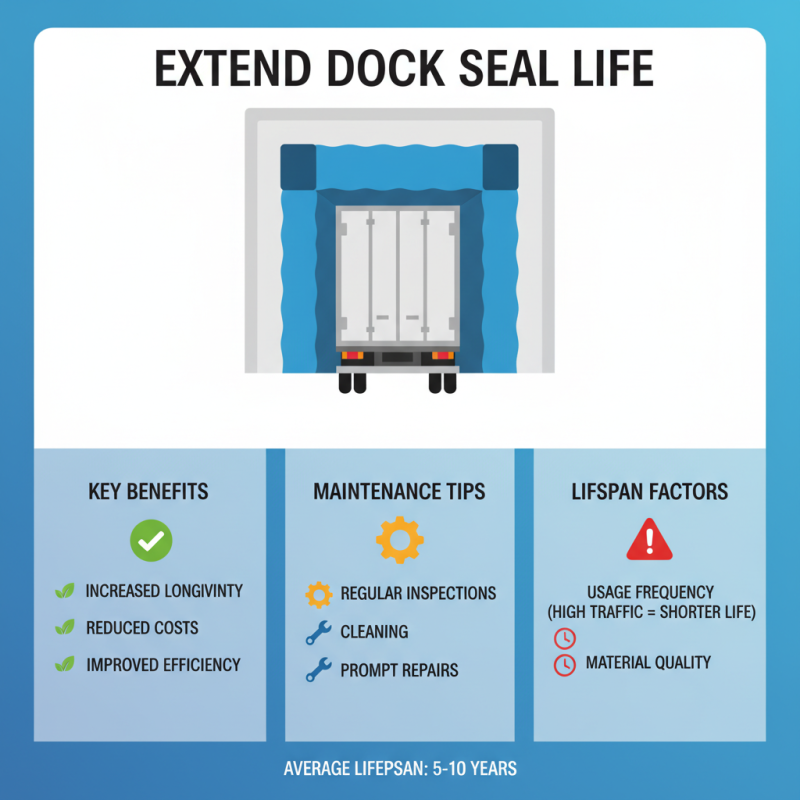
Proper maintenance practices can significantly extend the life of dock seals. Industry reports suggest that regular inspections can detect wear before it becomes critical. Damages can lead to costly Dock Seal Replacements. The average lifespan of a dock seal is around five to ten years, depending on usage. High-traffic areas often see faster deterioration.
To maintain dock seals, start with regular cleaning. Dirt and debris can wear down the seals over time. Inspect for rips and tears every month. Also, ensure that the surrounding area is free from obstructions. This reduces unnecessary strain on the seals. According to recent data, up to 30% of dock seal failures are due to improper maintenance.
It's important to follow best practices. Invest in proper training for staff to check seals during daily operations. Even small issues can escalate if overlooked. Neglecting maintenance can lead to more frequent Dock Seal Replacements. Over time, this adds to overall costs. Keeping a maintenance log can help track the condition and service history.
: Regular exercise improves physical health and mental well-being. It boosts energy levels and promotes sleep quality.
Begin with simple workouts, like walking or yoga. Gradually increase intensity and duration. Listen to your body.
Choose easily digestible foods like bananas or yogurt. These provide energy without causing discomfort during exercise.
Set personal goals and track your progress. Join a group or find a workout buddy for support and accountability.
Missing a workout is okay. Reflect on why and adjust your schedule if needed. Consistency is key, not perfection.
Incorporate stretching exercises daily. Focus on major muscle groups. Be patient; flexibility takes time to develop.
Yes, rest days are vital for recovery. They prevent burnout and reduce the risk of injury.
Many people push too hard too soon. Others skip warm-ups or cool-downs. Listen to your body and adjust.
Exercise is a great way to release stress. It increases endorphins, improving mood and reducing anxiety.
Change routines every few weeks. It helps to prevent boredom and plateaus. But don’t rush; find what works for you.
Dock seals are essential components for enhancing the efficiency and safety of warehouse operations. They provide a tight seal between the loading dock and the truck, preventing air and water infiltration while ensuring the protection of goods stored within the facility. Understanding their functionality is crucial, as dock seals come in various types—each offering different benefits—that can be compared based on the specific needs of a warehouse.
When selecting the right dock seal, several factors must be considered, including the size, material options, and installation guidelines. Proper sizing ensures optimal performance, while durable materials can withstand harsh weather conditions. Additionally, routine maintenance practices are vital for extending the lifespan of dock seals, thus maximizing the investment made in these critical warehouse components.