Leave Your Message
- Phone
- E-mail
- QQ

- Whatsapp
- WeChat

In today’s fast-moving world of logistics, how smoothly you load and unload really makes a big difference in how well your business does — affecting both productivity and profits. A report from the Material Handling Industry of America (MHIA) highlights that messing up your loading dock process can cause pretty serious delays, which might end up costing your company over $20,000 a year just in extra labor and operational costs. To keep things running smoothly, it’s really worth investing in a Dock Leveler. Not only does it help things flow better, but it also keeps everyone safe — that’s a win-win, right?
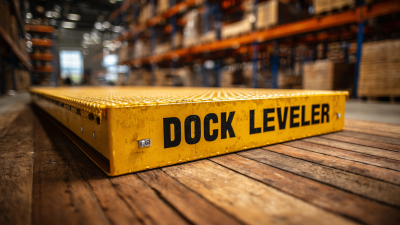
Dock Levelers basically help bridge the gap between the loading docks and trucks, making it a lot easier to load and unload different types of cargo. Being able to quickly adjust to various truck heights means you can get the job done faster and reduce the chances of accidents — and let’s face it, safety is no joke, especially since accidents at warehouses account for nearly a quarter of injuries, according to the National Safety Council. Plus, using Dock Levelers can boost your workflow efficiency by up to 30%. That means your team can meet customer demands more effectively and stay competitive in the ever-challenging supply chain game. All in all, adding a Dock Leveler isn’t just a smart move — it’s a solid investment in making your loading operations safer and more efficient overall.
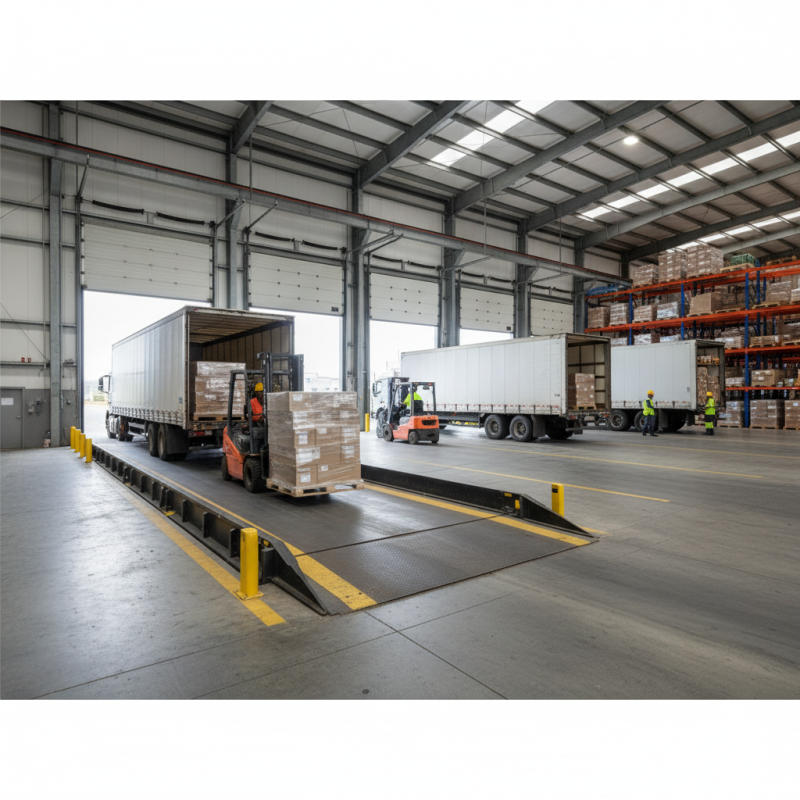
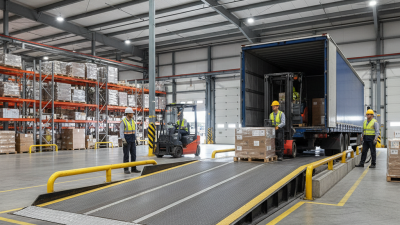
Dock levelers play a critical role in logistics and warehousing by ensuring seamless transitions between trucks and loading docks. These devices are essential for maintaining efficiency during loading and unloading operations, as they help bridge the gap between varying truck heights and dock levels. In environments where time is money, dock levelers can significantly reduce the time required to load or unload goods, minimizing delays and enhancing overall productivity.
When using dock levelers, it is vital to prioritize safety and efficiency. **Tip:** Always ensure that the leveler is properly positioned and secured before commencing operations to prevent accidents. Regular maintenance checks should also be performed to avoid any operational failures. Additionally, training staff on the correct usage of dock levelers can help prevent mishaps, ensuring smooth and efficient workflow.
Furthermore, choosing the right type of dock leveler is crucial to match the specific needs of your warehouse operations. **Tip:** Consider factors such as the weight and type of goods being handled when selecting a leveler, as this can greatly impact efficiency and safety. By addressing these key areas, businesses can optimize their logistics and warehousing processes, leading to improved service delivery and customer satisfaction.
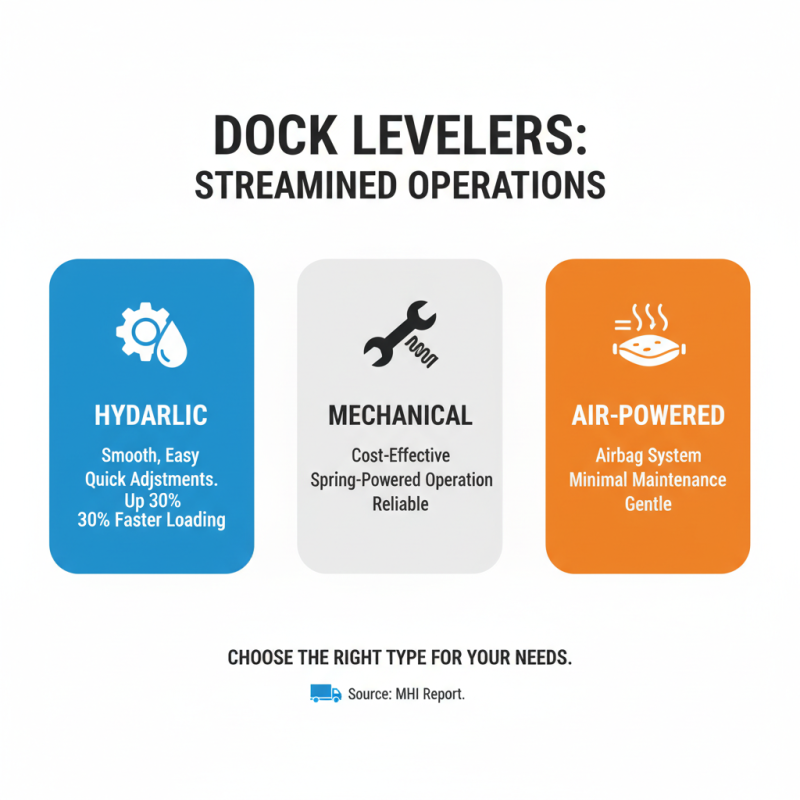
When it comes to streamlined loading and unloading operations, selecting the right dock leveler is crucial. There are several types of dock levelers available, each designed to meet specific operational needs. The most common types include hydraulic, mechanical, and air-powered dock levelers. Hydraulic levelers are known for their smooth operation and ease of use, providing quick adjustments for various truck heights, which can significantly enhance productivity. According to a report by the Material Handling Industry (MHI), facilities that utilize Hydraulic Dock Levelers can reduce loading times by up to 30%, improving overall efficiency.
Mechanical Dock Levelers, on the other hand, are favored for their durability and lower maintenance costs. They rely on a manual system, making them a cost-effective choice for facilities with consistent loading requirements. Ideal for environments that experience heavy usage, these levelers are designed to withstand substantial weight and wear over time. The National Association of Wholesaler-Distributors (NAWD) estimates that using mechanical dock levelers can lead to a 20% decrease in operational costs due to their longevity and reduced need for repairs.
Tips: When choosing a dock leveler, consider the types of vehicles frequently used. Ensure that the leveler can accommodate the maximum height and weight of these vehicles for optimal performance. Regular maintenance checks can extend the life of your dock leveler, keeping operations smooth and efficient. Additionally, integrating safety features such as edge-of-dock levelers can further enhance safety during loading and unloading processes.
Dock levelers play a crucial role in enhancing the efficiency of loading and unloading operations in warehouses and distribution centers. These devices serve as a bridge between trucks and loading docks, enabling seamless transitions for goods. According to a report by the Material Handling Industry of America (MHIA), incorporating dock levelers can lead to a 20% increase in loading efficiency. This is primarily achieved by reducing the time spent aligning cargo, which subsequently minimizes waiting times and streamlines overall operations.
The benefits of using dock levelers extend beyond mere efficiency; they also enhance safety and reduce operational costs. A study conducted by the Warehousing Education and Research Council (WERC) reveals that proper use of dock levelers can decrease the likelihood of workplace injuries by up to 40%. This is particularly important in high-traffic environments where heavy machinery and personnel interact. Moreover, by optimizing the loading process, companies can further reduce equipment wear and tear, contributing to lower maintenance costs in the long run. Therefore, investing in dock levelers is not just about improving productivity; it's about creating a safer and more cost-effective operational environment.
When selecting a dock leveler, several key considerations must be taken into account to ensure efficient loading and unloading operations. Firstly, it is essential to assess the types of loads and vehicles that will be used. This includes understanding the weight capacity required and the range of heights that need to be accommodated. Different levelers offer various features that cater to specific types of freight, from standard palletized goods to oversized or specialized loads.
Another critical factor is the mechanism of the dock leveler. Options include hydraulic, mechanical, and air-powered systems. Hydraulic levelers are often favored for their ease of use and capability to handle heavier loads, while mechanical versions may be simpler and more cost-effective for lighter applications. Additionally, the dock design and space constraints should be evaluated to ensure that the selected leveler fits properly and allows for seamless operation between the dock and the vehicle.
Tips: When choosing a dock leveler, consider investing in a model with safety features such as toe guards and edge-of-dock levelers to minimize the risk of accidents. Regular maintenance is also crucial; implementing a maintenance schedule can prolong the life of the dock leveler and enhance its performance. Finally, consult with your team to gather input on their needs and preferences, as their firsthand experience can provide valuable insights into the most suitable option for your operations.
Regular maintenance of your dock leveler is essential for ensuring its longevity and optimal performance during loading and unloading operations. By implementing a consistent maintenance routine, you can avoid costly repairs and downtime, ultimately increasing the efficiency of your operations.
One key maintenance tip is to routinely inspect the leveler for any signs of wear or damage. Look for issues such as hydraulic leaks, bent frames, or worn-out seals. Addressing these problems early can prevent further damage and extend the lifespan of your equipment. Additionally, cleaning the docking area and the leveler itself can prevent debris buildup that may hinder its operation.
Another important aspect of dock leveler maintenance is lubricating moving parts regularly. Proper lubrication reduces friction, which can lead to premature wear and tear. Make it a habit to check the manufacturer's guidelines for recommended lubricants and maintenance schedules. This practice not only enhances reliability but also contributes to smoother operations, ensuring your loading and unloading processes remain efficient.
Dock levelers play a crucial role in enhancing safety during loading and unloading operations. By bridging the gap between the dock and the trailer, they provide a stable and secure surface for transporting goods. Without a proper dock leveler, workers may face increased risks of slips, trips, and falls as they maneuver heavy loads over uneven surfaces. A well-designed dock leveler minimizes these hazards by ensuring a smooth transition, reducing the potential for accidents significantly.
In addition to preventing physical injuries, dock levelers also contribute to the overall safety of the cargo being handled. Irregular height differences between the loading dock and the trailer can lead to cargo shifting or falling during transit. This not only endangers the workforce but can also cause damage to the goods, resulting in financial losses and operational delays. By utilizing dock levelers, businesses can create a safer environment that protects both employees and inventory, ultimately leading to more efficient and secure loading and unloading operations.
Dock levelers play a crucial role in enhancing the overall performance of supply chains by facilitating smoother loading and unloading operations. According to a report by the Material Handling Industry of America, efficient loading docks can reduce dwell time by up to 30%. This efficiency not only boosts productivity but also leads to significant cost savings—the National Institute of Standards and Technology suggests that the total cost of inefficient loading operations can be as high as 4% of a company's revenue. By leveling the height difference between trucks and warehouses, dock levelers minimize the risk of product damage and injuries, leading to fewer disruptions in the supply chain.
Moreover, dock levelers contribute to improved inventory management. The Council of Supply Chain Management Professionals noted that streamlined loading processes can improve order fulfillment rates by approximately 25%. Fast and accurate loading ensures that products move swiftly from suppliers to customers, thus maintaining optimal inventory levels and reducing stockouts. This agility in operations is vital for meeting customer demands in today's competitive market, where delivery speed and reliability can make the difference between retaining and losing clients. Hence, investing in quality dock levelers is a strategic move for companies looking to optimize their supply chain performance.
: Dock levelers facilitate seamless transitions between trucks and loading docks, enhancing efficiency during loading and unloading operations by bridging the gap between varying truck heights and dock levels.
Dock levelers can significantly reduce the time required to load or unload goods, minimizing delays and enhancing overall productivity.
It is vital to ensure that dock levelers are properly positioned and secured before use, conduct regular maintenance checks, and train staff on correct usage to prevent accidents and ensure smooth operations.
Consider the weight and type of goods being handled when choosing a dock leveler, as these factors significantly impact both efficiency and safety in warehouse operations.
By facilitating smoother loading and unloading operations, dock levelers can reduce dwell time, increase productivity, and enhance cost savings, ultimately improving overall supply chain performance.
Inefficient loading operations can account for as much as 4% of a company's revenue, while efficient docks can help mitigate these costs through improved operational performance.
Streamlined loading processes enabled by dock levelers can improve order fulfillment rates by about 25%, allowing for better inventory management and reducing the likelihood of stockouts.
Investing in quality dock levelers can optimize supply chain performance, facilitating agility in operations that are crucial for meeting customer demands in a competitive market.
By minimizing the height difference between trucks and warehouses, dock levelers reduce the risk of product damage and injuries, thus enhancing safety during loading and unloading processes.
Effective dock levelers help ensure fast and accurate loading processes, enabling companies to maintain optimal inventory levels and meet customer delivery demands, which is crucial for retaining clients.
Dock levelers play a crucial role in enhancing loading and unloading operations within logistics and warehousing environments. By bridging the gap between the loading dock and the transport vehicle, dock levelers facilitate smooth transitions, thereby improving loading efficiency. Various types of dock levelers, each with unique features, cater to different operational needs, ensuring that businesses can select the most suitable option.
Utilizing dock levelers not only increases loading efficiency but also contributes significantly to the overall safety of operations. Regular maintenance is essential to prolong their lifespan and performance. Furthermore, the incorporation of dock levelers positively impacts supply chain performance, making them an indispensable tool for any logistics operation aiming for efficiency and safety.