Leave Your Message
- Phone
- E-mail
- QQ

- Whatsapp
- WeChat

In the fast-changing world of logistics, having the right Dock Leveler can really make a difference in how smoothly things run. I read a report by the Material Handling Institute once—something about how if dock management isn’t on point, it can end up wasting time and boosting labor costs. Picking out the right Dock Leveler isn’t just about efficiency; it’s also a big safety deal for the workers.
What’s interesting is, about 70% of warehouse folks say their dock equipment is critical to how they get things done every day. So, when you're choosing a Dock Leveler, keep in mind things like how much weight it can handle, its size, and how tough it is. Different setups need different features—say, an outdoor warehouse might need something weather-resistant. The trick is finding that sweet spot between quality and what fits the budget.
But honestly, a lot of folks overlook just how important it is to pick the right dock equipment. Skipping that step can lead to poor performance or even accidents on the job. Even though there are tons of options out there, each one should really match what your operations actually need. Making smarter, more informed choices can help reduce risks and make loading or unloading a whole lot easier and safer.
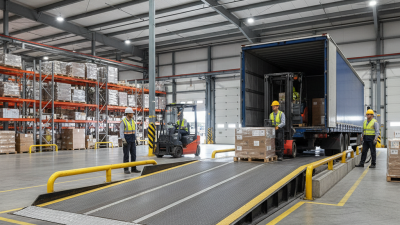
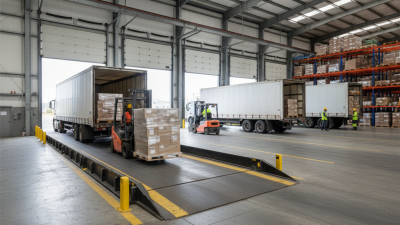
Dock levelers play a crucial role in warehousing operations. They bridge the gap between a loading dock and a truck, allowing for smooth product transfers. The National Association of Wholesaler-Distributors reports that over 30% of warehouse injuries occur during loading and unloading processes. Properly chosen dock levelers can significantly reduce these risks.
When selecting a dock leveler, consider the load capacity needed for your operations. A leveler must support the weight of your heaviest loads. Examine the durability of materials as well. Steel options may be more robust but could present corrosion issues in certain environments. A design that allows for easy maintenance might save costs over time.
Another essential tip lies in the height range of the leveler. Many facilities overlook this. Inadequate height can lead to unsafe practices. Each dock’s specific configuration dictates the ideal leveler type. Assess space and frequency of use. For high-traffic areas, investing in a more robust model results in long-term savings. And remember, a dock leveler's installation needs careful planning. Poor alignment can lead to injuries and equipment damage.
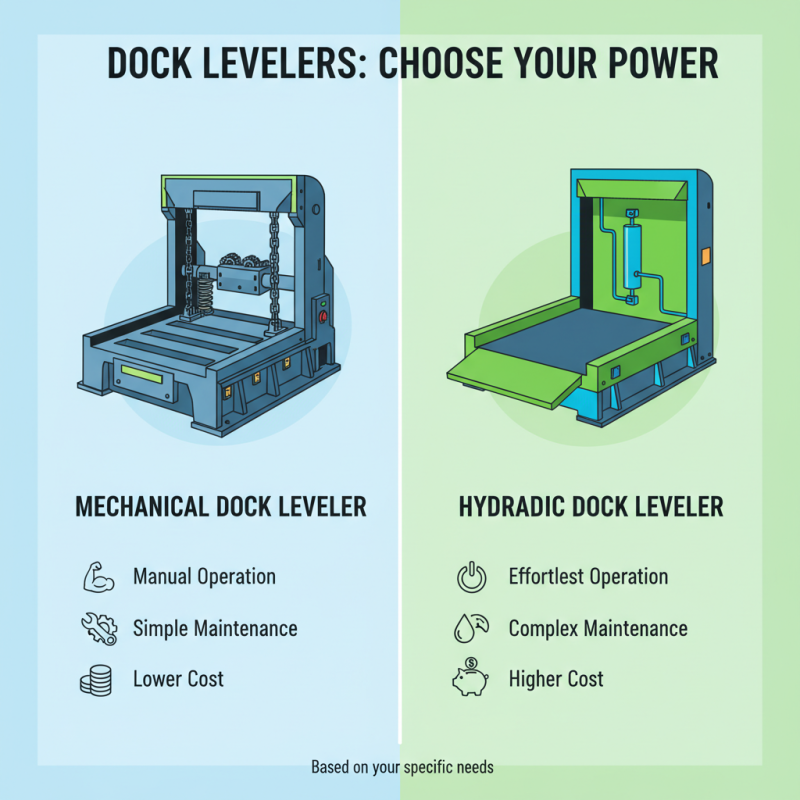
When deciding between mechanical and Hydraulic Dock Levelers, consider your specific needs. Mechanical dock levelers are often simpler and more affordable. They rely on a manual system, which might require physical effort to operate. This can lead to wear over time. Yet, they are easy to maintain and repair.
Hydraulic dock levelers, on the other hand, provide a seamless experience. They use fluid power, which allows for smooth adjustments. This feature can enhance safety during loading and unloading. However, hydraulic systems can be more complex. They may require specialized maintenance, which adds to overall costs. Balancing these factors is crucial.
Ultimately, think about throughput and efficiency. A mechanical leveler may suffice for lighter loads. For heavier, more frequent use, hydraulic might be the better choice. Each type has its pros and cons, leading to thoughtful decisions. Assess your operations closely to find the best fit.
When choosing a dock leveler, assessing load capacities is crucial. Understanding the weight requirements of your operations helps in making informed decisions. The load capacities should align with the types of loads you will be handling daily. This involves knowing both the maximum weight and the dimensions of the loads. A leveler may seem adequate, but its limits may surprise you.
Consider the frequency of use. A dock leveler that handles occasional heavy loads may not suffice for daily operations. It's essential to evaluate not just the weight, but also the distribution of that weight. Unevenly distributed loads can lead to premature wear. Reflect on past experiences—did a leveler struggle with specific loads? Those moments provide essential insights.
Evaluate the materials used in your leveler. Some designs may not withstand the rigors of heavy use. Rust or wear can undermine performance over time, leading to unsafe conditions. Regular maintenance checks can help, but purchasing the right product initially is vital. Research and reflection on your unique needs can prevent costly future mistakes.
When evaluating dock levelers, durability is key. Look for materials that can withstand heavy usage. Steel construction often offers more strength than lighter alternatives. However, it may require more maintenance over time. If not properly treated, steel can rust and corrode. This is a factor to consider based on your environment.
Maintenance requirements can vary significantly. Some dock levelers may need frequent inspections. Check for wear and tear, especially on hinges and seals. It’s crucial to keep them lubricated. Neglect can lead to expensive repairs. Asking current users about their experiences can offer insight. What problems did they face? Did they find maintenance easy or burdensome?
Considering these aspects helps in making a wise choice. Don't overlook user feedback about durability and maintenance. Each leveler has its strengths and weaknesses. Make sure to weigh them against your operational needs. The right decision can improve efficiency, but the wrong one can lead to frustration.
Choosing the right dock leveler is crucial for efficient operations. Size and installation are key considerations in this process. According to industry reports, about 70% of dock-related accidents occur due to improper equipment use. Ensuring that your dock leveler is the right size can significantly reduce these risks.
When sizing a dock leveler, consider the height and weight of the loads. Reports suggest that a leveler should have a minimum capacity of 12,000 pounds for standard operations. This may vary depending on your specific needs. Inadequate sizing can lead to equipment failure. If your loads exceed this capacity, it’s time to reassess your equipment choice.
Installation requires attention to detail. A leveler not installed correctly can be a safety hazard. Industry studies show that approximately 60% of misalignments happen during installation. Double-check the alignments and ensure your dock leveler is level. It’s not just about functionality; it’s about preserving worker safety. Taking these steps can lead to a safer working environment and reduce the chance for costly accidents.
When selecting a dock leveler, safety features should be a top priority. A good dock leveler must meet industry safety standards. These standards ensure both compliance and protection for workers. Look for features like non-slip surfaces, which help prevent accidents during loading and unloading. Safety gates can also be beneficial, as they provide an added layer of protection for employees.
Another key aspect is the presence of sensors. These sensors can detect any obstructions, preventing accidents before they occur. Think about adjustable heights as well. This ensures that the leveler can adapt to various truck sizes. However, it’s essential to remember that sometimes, even the best features can fail. Regular maintenance checks are required to identify issues before they lead to dangerous situations.
Incorporating adequate safety signage around the dock area is also crucial. Clear signs inform workers about potential hazards. Training employees on how to use dock levelers safely is equally important. Even with the best equipment, human error can happen. Encourage a culture of safety awareness among your team. Reflecting on past incidents can reveal valuable lessons for future improvements.
When selecting a dock leveler, consider both cost and value carefully. Many options are available, but not all fit every budget. A lower price might attract your attention, but it could come with hidden costs. These can include frequent repairs or shorter lifespans. Investing in a higher-quality dock leveler may seem steep, yet it often pays off in reduced maintenance and increased efficiency.
Look closely at your operational needs. Will you be loading heavy equipment daily? If so, a durable leveler is worth the investment. On the other hand, lighter operations might not need such robust options. Evaluate not just the initial price. Think about long-term savings and functionality. Choosing a lower-cost option now may lead to higher expenses later. Take the time to reflect on your specific workload and the potential impact of your choice on productivity.
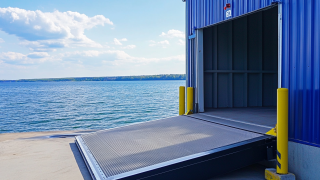
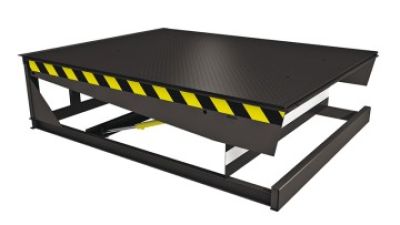
The durable black hydraulic dock leveler is an essential tool for maximizing efficiency and safety in industrial applications, particularly in loading and unloading processes at cargo ports. This advanced equipment is expertly designed to bridge the height difference between trucks and loading platforms, facilitating a seamless transition for goods. By employing a hydraulic system, operators can easily raise the platform surface to its highest point, ensuring that the lip plate extends outward or flips down to meet the truck compartment safely.
Moreover, the hydraulic dock leveler's operational efficiency is complemented by its user-friendly mechanics. As the platform descends, it slowly aligns with the truck bed, allowing cargo to be swiftly and securely transferred without risking damage to the goods or injury to personnel. This thoughtful engineering not only enhances productivity but also prioritizes the safety of the workforce by minimizing the risk of accidents during loading and unloading. Overall, the use of a hydraulic dock leveler embodies a commitment to operational excellence and worker safety in busy industrial environments.
: Regular exercise improves physical health. It enhances mood and reduces stress levels significantly. Energy levels often increase too.
Begin with small, manageable goals. Choose activities you enjoy. Gradually increase duration and intensity over time.
Yes, warming up helps prevent injuries. It prepares your muscles for the workout ahead. Take a few minutes to stretch.
Aim for at least 150 minutes of moderate activity per week. Adjust based on your fitness level and schedule.
Even short workouts are beneficial. Consider breaking exercise into smaller sessions. Make use of brief moments during the day.
Results may be slower with poor nutrition. Exercise helps, but a balanced diet is crucial. Reflect on your eating habits regularly.
Set specific goals that inspire you. Track your progress to see changes. Sometimes, working out with friends helps too.
Yes, many effective exercises require no equipment. Bodyweight exercises, like push-ups and squats, are great options.
Explore different activities. Dancing, hiking, or yoga can be fun alternatives. Find what feels enjoyable for you.
Absolutely, exercise can alleviate symptoms of anxiety and depression. The endorphins released can boost your mood significantly.
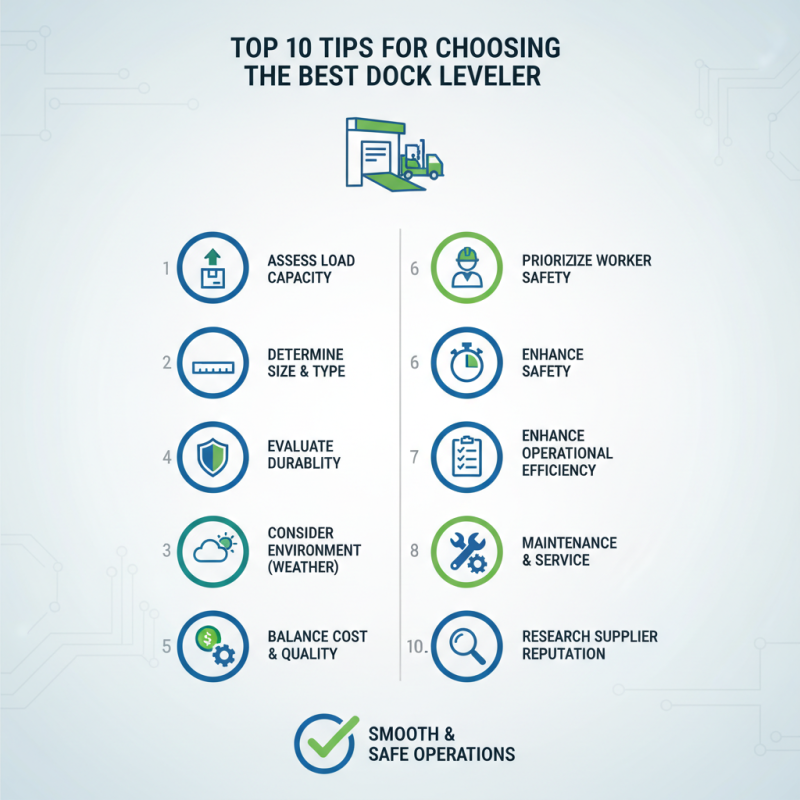
Choosing the best dock leveler for your warehouse involves several key considerations. First, it's essential to understand the purpose of dock levelers, which facilitate the smooth transfer of goods between trucks and loading docks. There are two primary types to consider: mechanical and hydraulic, each with distinct advantages depending on your operational needs.
When selecting a dock leveler, assess the load capacities to ensure it meets your requirements and evaluate durability alongside maintenance needs for long-term reliability. Sizing and installation are crucial to ensure a proper fit for your loading dock, while safety features should comply with regulations to protect workers and equipment. Finally, weigh the cost vs. value to find a dock leveler that fits your budget without compromising quality and safety. Overall, carefully evaluating these factors will help you make an informed decision tailored to your warehouse operations.